POWER SAVING

Where Should Power Points Go in a New Home?
August 2026 |

Home Renovation Tips |
5 min read
QUICK TAKEAWAYS

⚡️Think about how you'll actually live in each room, not just how it will look.
⚡️It's usually easier and more cost-effective to install extra power points during the build than add them later.
⚡️Don't forget often-overlooked areas like kitchen islands, walk-in pantries, home offices and outdoor entertaining spaces.
⚡️When in doubt, add an extra powerpoint — most homeowners say they wish they'd installed more, not fewer.
Before You Finalise Your Plans, Ask Yourself:
One of the most common things we hear from homeowners is:
"I wish we'd added more power points."
When you're building or renovating, it's easy to focus on colours, cabinetry and finishes. But spending a little extra time planning your electrical layout can make everyday life much easier.
Our advice? Think about how you'll actually live in the home.
Because it's always easier (and often cheaper) to install additional power points during the build rather than adding them later.
Where will phones and tablets be charged?
Will furniture layouts change over time?
Will you work from home?
Where will lamps go?
Are you planning to wall mount TVs?
Where will the Christmas tree go?
Will you use electric blankets or heated throws?
Do you have lots of kitchen appliances?
Will the kids eventually need desks or gaming setups?
Thinking ahead now can save a lot of frustration later.
Kitchen: You Can Almost Never Have Too Many
The kitchen is often the hardest-working room in the house.
Think about:
kettles and toasters
coffee machines
air fryers
mixers and slow cookers
charging phones and tablets
hidden appliance cupboards
Extra power points along splashbacks and on kitchen islands can make everyday life much easier.
Living Rooms Need More Power Than You Think
Modern living rooms are full of technology.
Consider power for:
TVs
streaming devices
lamps
phone charging
sound systems
vacuum cleaners
If you're planning a wall-mounted TV, additional outlets behind the television can help keep cords hidden.
Bedrooms: Think Beyond the Bedside Table
At a minimum, most homeowners appreciate having double powerpoints on both sides of the bed.
Also think about:
electric blankets
bedside lamps
phone charging
desks or study spaces
future TV locations
Even if you don't need them immediately, planning ahead gives you more flexibility in the future.
Don't Forget Home Offices
More people are working from home than ever before.
Powerpoints placed slightly above desk height can make it much easier to plug in:
laptops
monitors
printers
chargers
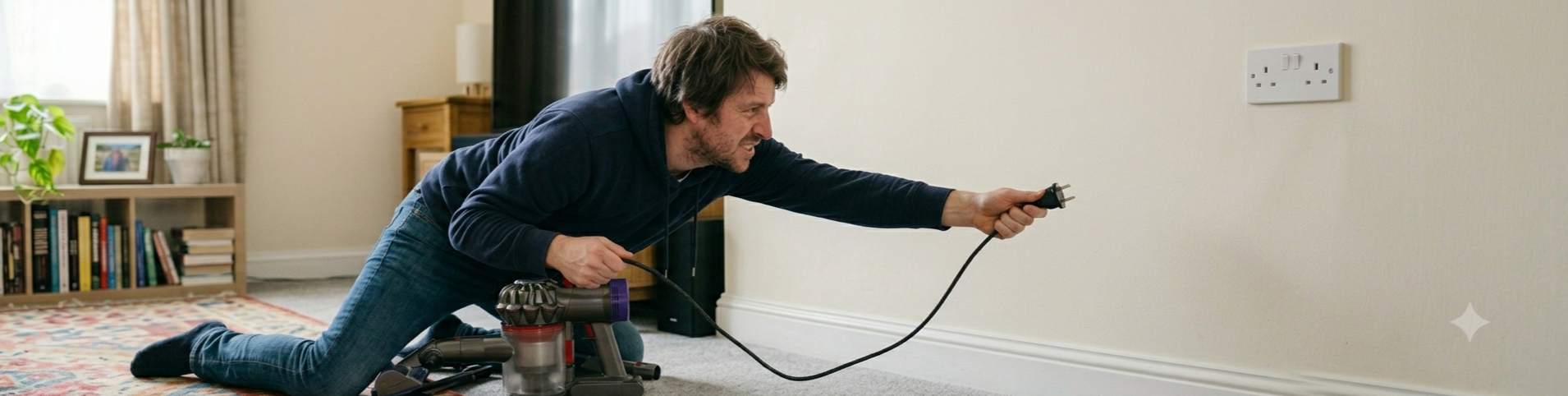
without crawling around under furniture.
Garages, Sheds & Outdoor Areas
These spaces are often overlooked during planning.
Consider power for:
power tools
freezers or fridges
workshop equipment
electric BBQs
outdoor speakers
festive lighting
Adding a few extra outlets now can save extension cords taking over later.
Frequently Asked Questions
-
Every family is different, but most people find they need more powerpoints than they originally planned.
-
Yes, but it's often easier and more cost-effective to install them during the build.
-
Many homeowners choose to include USB outlets in kitchens, bedrooms and home offices for added convenience.
-
Kitchen islands, walk-in pantries, outdoor areas, garages and home offices are commonly overlooked.
-
Absolutely. Early planning can help create a home that works better for your family long term.
-
In most cases, yes. Many homeowners say they wish they had installed more rather than fewer.
⚡️Building a new home or planning a renovation?
Josh Currie Electrical is always happy to talk through practical electrical layouts and help you create a home that works for the way your family lives.